
Local Flavors: Incorporating Regional Delicacies into Your Catering Menu


Incorporating local flavors into your catering menu is a fantastic way to create a memorable dining experience that resonates with guests. By embracing regional delicacies, you not only pay homage to local culture but also support local producers and artisans. This approach adds a unique twist to traditional catering and can set your services apart from the competition.
Understanding regional flavors means delving into the heart of local cuisine. It's about recognizing the ingredients that are abundant and cherished in a particular area. From the spices of New Orleans to the seafood of the Pacific Northwest, each region offers something special that can be woven into your menu.

Why Local Flavors Matter
Incorporating local flavors into your menu can enhance the dining experience by offering something authentic and unique. Guests often appreciate the opportunity to try dishes that reflect the area’s culinary heritage, giving them a taste of the locale they might not experience elsewhere.
Additionally, using local ingredients can lead to fresher, more flavorful dishes. When you source ingredients from nearby farms and suppliers, you’re likely to receive produce and other goods at their peak ripeness, enhancing the overall quality of your menu.
Identifying Key Local Ingredients
To effectively incorporate regional delicacies, you must first identify the key ingredients that define local cuisine. These might include:
- Produce: Fresh fruits and vegetables that are native to the area.
- Proteins: Locally sourced meats or seafood.
- Spices: Unique spice blends that are characteristic of the region.
- Traditional Dishes: Signature recipes that have been passed down through generations.
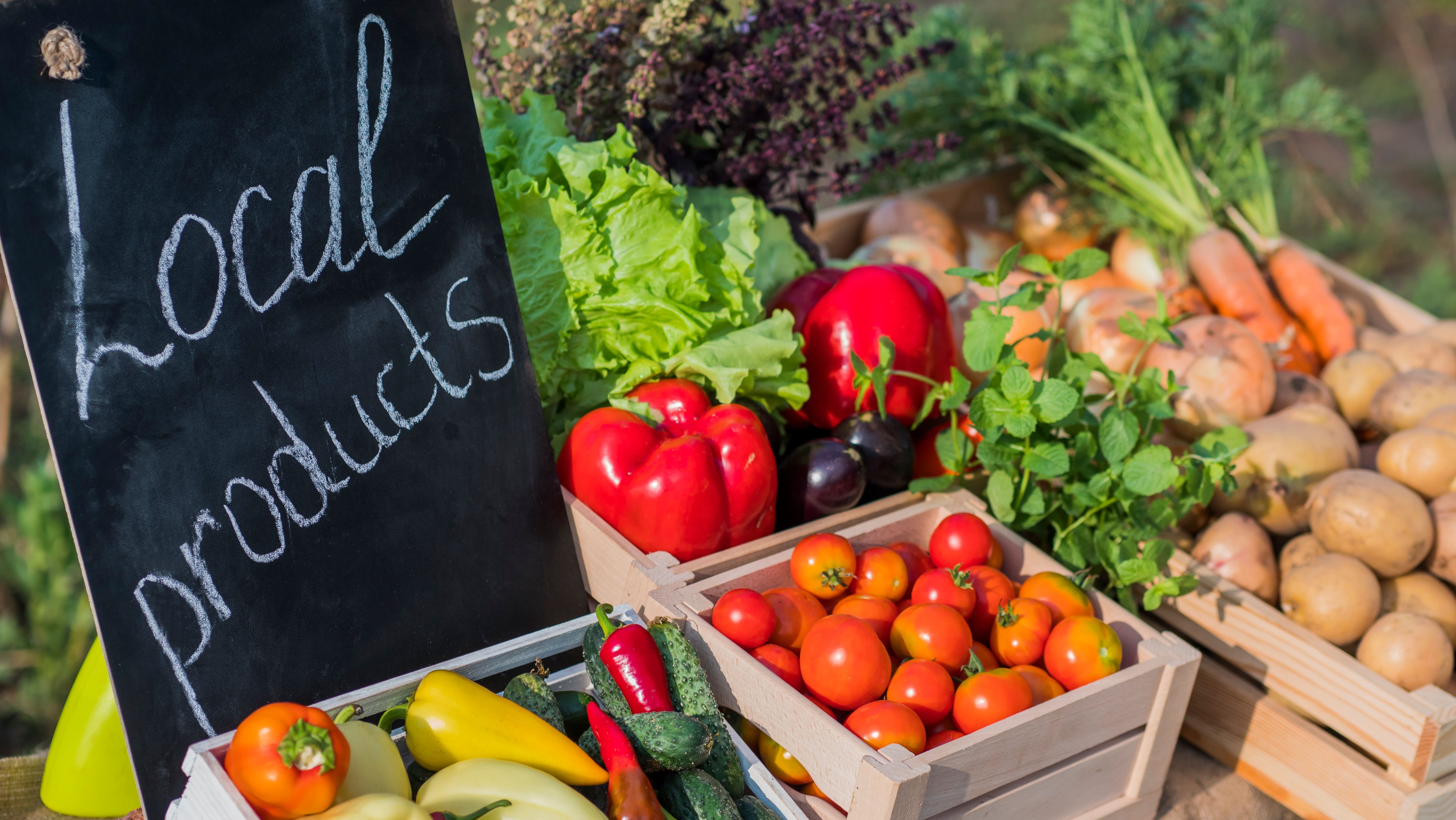
Creating a Diverse Menu
Once you’ve identified key ingredients, the next step is to create a diverse menu that highlights these flavors. Consider offering a mix of traditional dishes and modern interpretations to cater to a wide range of tastes. This could include appetizers, main courses, and desserts that all reflect the essence of the region.
For example, if you’re catering in the Southwest, you might serve dishes featuring hatch chiles, while a New England menu might showcase lobster rolls and clam chowder. The goal is to create a cohesive dining experience that tells a story through each course.
Partnering with Local Producers
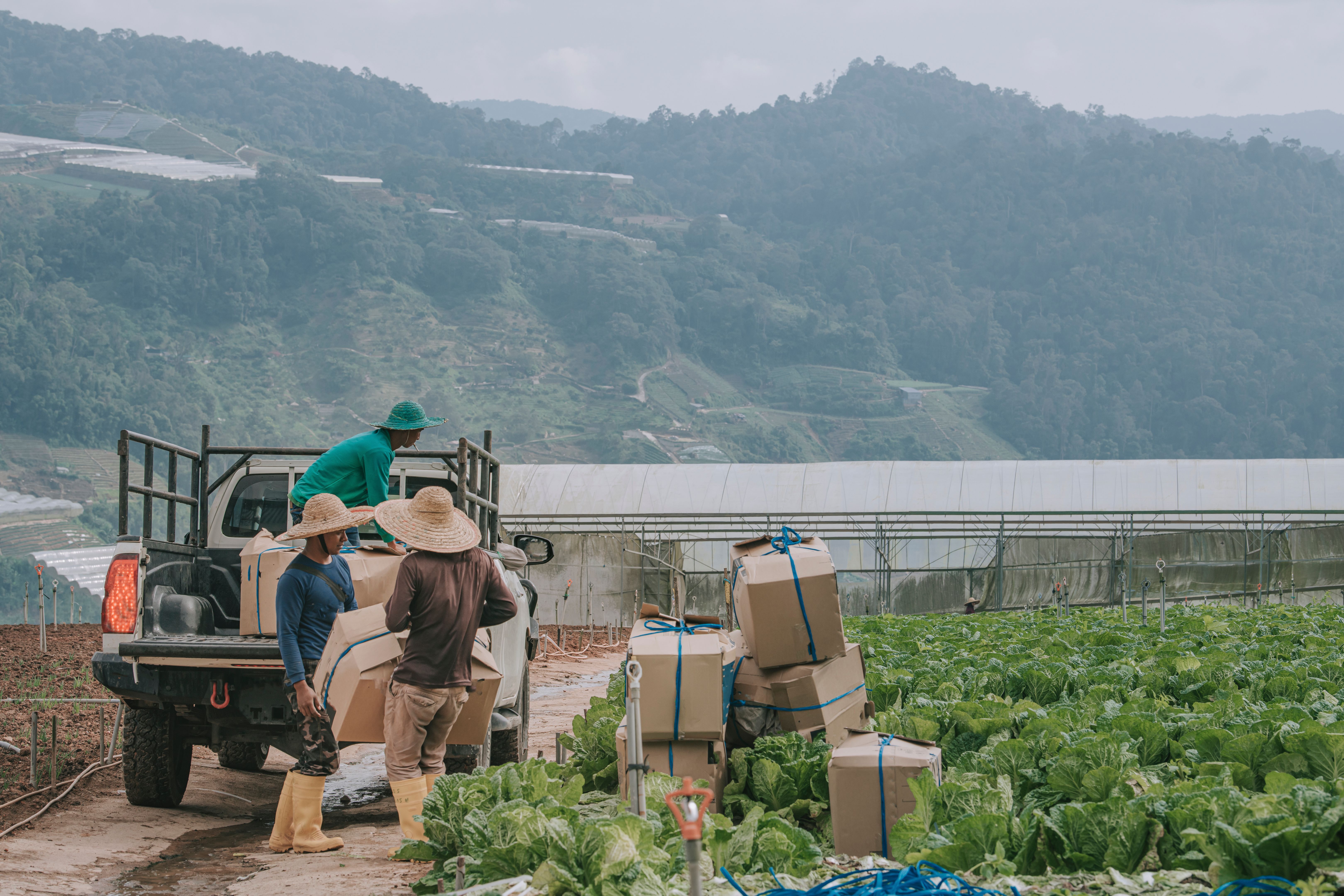
Building relationships with local farmers, fishmongers, and artisans can be incredibly beneficial. Not only does it ensure a steady supply of fresh ingredients, but it also helps support the community. These partnerships can offer insights into seasonal produce and trending flavors, allowing you to keep your menu current and exciting.
Marketing Your Unique Menu
Once you've crafted a menu rich in local flavors, it's essential to market it effectively. Highlight the uniqueness and authenticity of your offerings in your promotional materials. Share the stories behind the ingredients and the local partners you work with to add a personal touch.
Utilize social media platforms to showcase your dishes, using vibrant images and engaging captions. This not only attracts potential clients but also enhances your brand's reputation as a supporter of local culture and sustainability.
Incorporating regional delicacies into your catering menu is more than just a trend; it's a celebration of local heritage and a commitment to quality and authenticity. By taking advantage of what your region has to offer, you can create unforgettable dining experiences that leave a lasting impression on your guests.